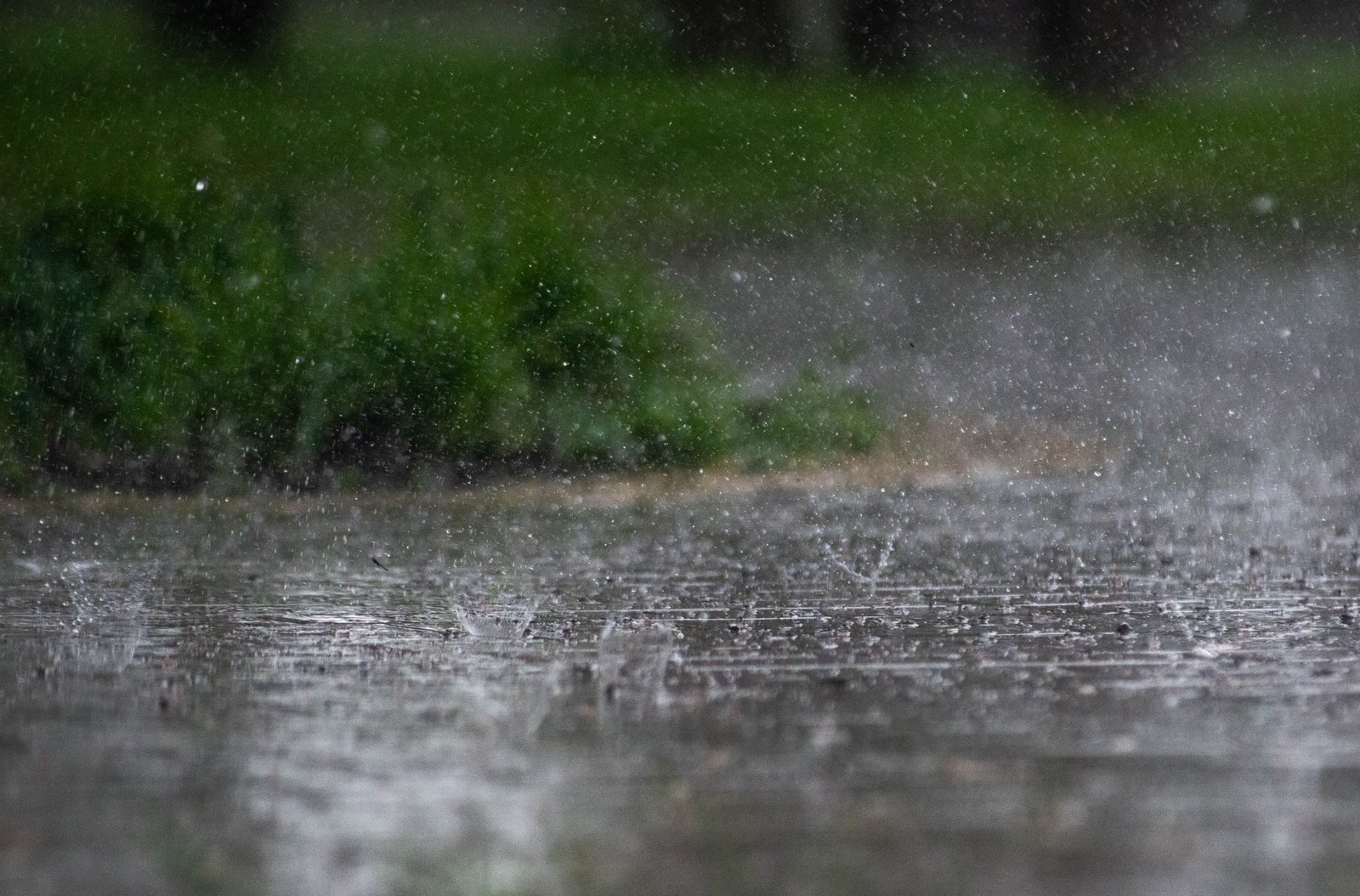
El Niño has formed, and forecasters expect it to strengthen during fall 2026. UC Davis advises preparing early for the possibility of significant California weather impacts through winter 2027.
1. Clear the Property’s Drainage Paths
Start where rainwater should leave the property. Remove leaves, grass clippings and loose debris from gutters, downspouts, area drains, curb openings and visible swales. Confirm that downspouts discharge away from foundations without sending water onto neighboring property or across a sidewalk.
- Check low spots where water collected during previous storms.
- Make sure drain grates are visible and accessible before heavy rain.
- Do not place green waste where runoff can carry it into a storm drain.
- Have damaged, buried or repeatedly backed-up drainage evaluated by an appropriate drainage professional.
2. Inspect Trees Before Wind and Saturated Soil Arrive
Wet soil can reduce root anchorage while wind places additional force on trunks and branches. Look for newly leaning trees, hanging or broken limbs, cracks, cavities, exposed roots, mushrooms near the base or soil lifting around the root plate.
Routine landscape maintenance is not a substitute for a qualified tree-risk assessment. Keep people and vehicles away from a tree that appears unstable and contact a qualified arborist when warning signs are present. Never work near a downed or contacted power line.
3. Adjust Irrigation to Actual Weather
Automatic irrigation should not continue on a summer schedule while rain is supplying moisture. Check soil conditions, use rain-delay controls when appropriate and repair broken heads or leaking valves. Oversaturated soil can contribute to runoff, turf damage, root problems and unstable footing.
- Pause irrigation before and after meaningful rainfall when the soil remains moist.
- Watch for runoff from compacted soil and sloped turf.
- Do not mow or operate heavy equipment on saturated ground.
- Restart irrigation based on soil moisture—not simply the calendar.
4. Protect Soil, Turf and Garden Beds
Healthy cover slows erosion and reduces bare-soil movement. Refill thin mulch where needed without piling it against trunks, stems or building siding. Redirect foot traffic away from muddy areas and avoid aggressive cultivation immediately before a storm.
If water repeatedly travels across a slope or carries soil away, document the path and seek an appropriate erosion or drainage solution rather than relying on loose barriers that could wash into streets or drains.
5. Secure Outdoor Items and Work Areas
Move or secure lightweight furniture, decorations, empty containers, tools and loose materials before strong wind. Store fertilizers, fuels and pesticides under cover, upright and according to their labels so floodwater cannot reach them. Keep electrical cords and powered equipment out of wet areas.
6. Decide Your Safety Thresholds in Advance
UC Davis recommends deciding beforehand what rain, wind or lightning conditions should trigger a delay, shutdown or evacuation. For home and property work, that means identifying who will stop outdoor activity, where people will shelter and which areas become off-limits during flooding, lightning or falling-branch conditions.
A Simple Pre-Storm Property Walk
- Walk the property before rain begins and photograph existing problem areas.
- Clear accessible drains, gutters and surface-flow paths.
- Look upward for broken limbs and downward for lifting roots or unstable soil.
- Secure outdoor objects and protect stored products from water.
- Set irrigation to rain delay and reassess soil moisture afterward.
- Monitor official forecasts and keep drainage routes clear throughout the season.